To help you choose the best time for your trip I’ll run through an overview of a full year in Hokkaido, including recommended activities and weather so you can plan your trip. In truth, Hokkaido is a stunner at any time of the year, with lush green summers, vivid autumns, powdery snow-covered winters, and vibrant springs. For those looking to travel to Hokkaido you can find something to do in each season depending on where your interests lie.
What is the best time to visit Hokkaido?
Travel Tips
By Ayaka
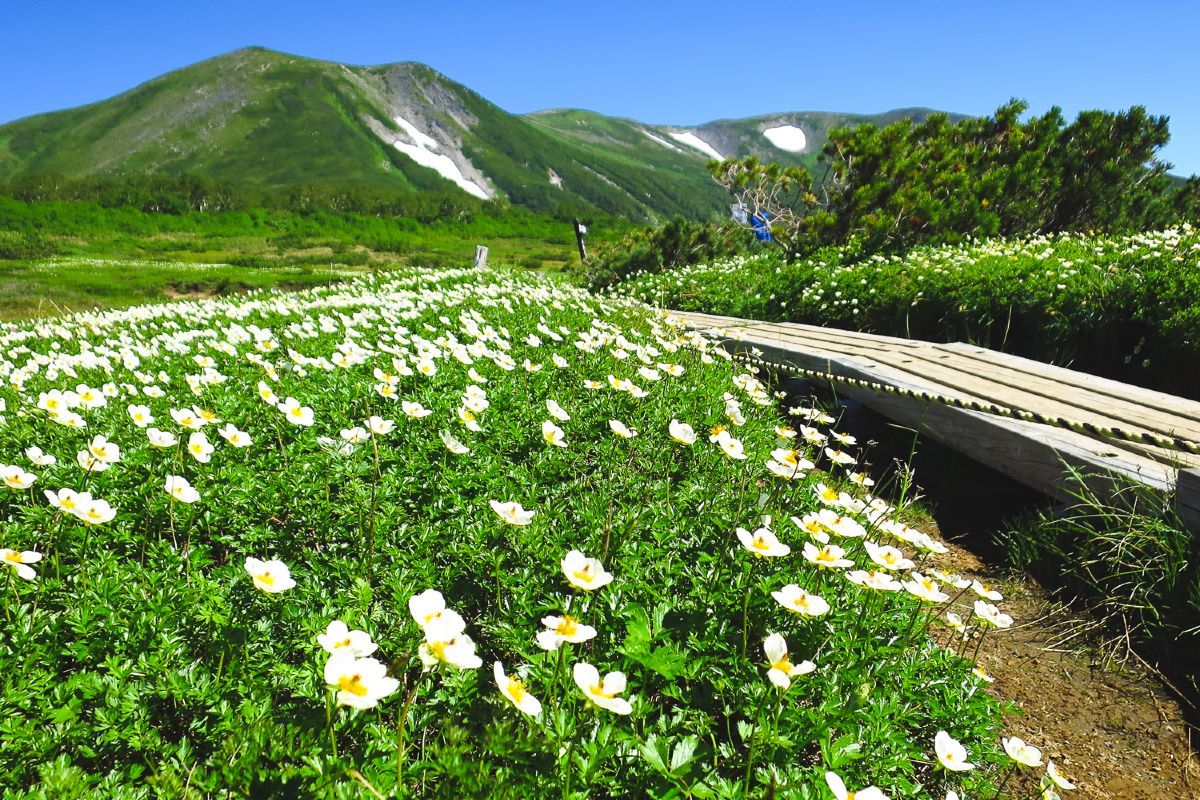
Before we begin, I hope you'll also check out Zac's blog on the best time for hiking in Hokkaido, if hiking is your main focus. If you're planning on visiting Daisetsuzan, then check out Richard’s amazing blog on Daisetsuzan's weather to help you plan your trip.
Visiting Hokkaido in Spring (April-June) #
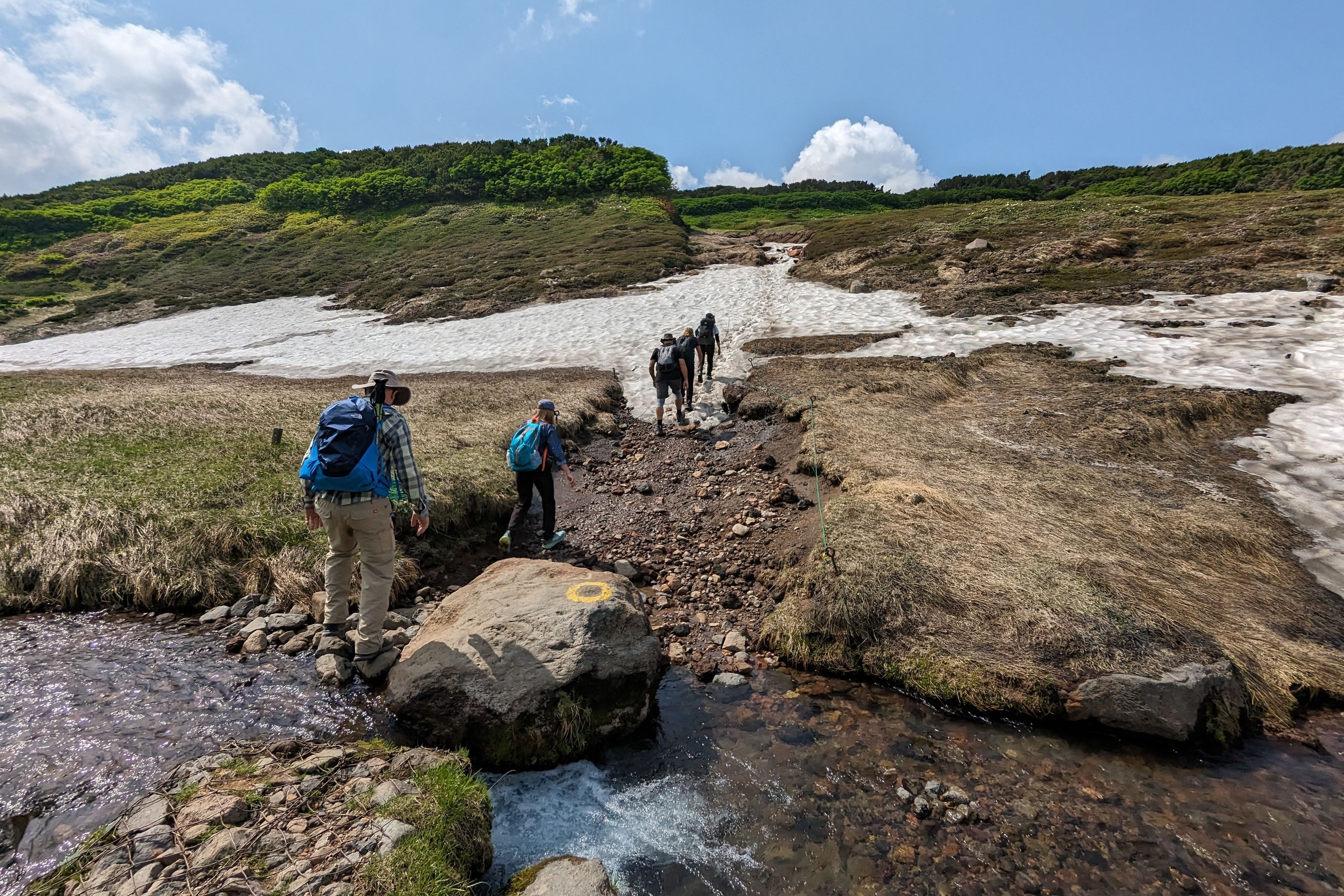
Spring comes later to Hokkaido than the rest of Japan, but it’s a safe bet that most snow will be gone by mid-April. Things really start to warm up by the end of the month, with cherry blossoms blooming in southern Hokkaido cities in late April. In May, cherry blossoms around Daisetsuzan National Park, north and east Hokkaido coincide with Japan’s Golden Week, a multi-day holiday that occurs at the beginning of May. June begins the lead-in to Hokkaido’s summer, and with it consistently good weather. During Hokkaido’s spring, be sure to dress in layers, because although most days will be over 10°C, nights can still be cold. If you want to see the famous cherry blossoms, then spring is the best time for you to visit Hokkaido!
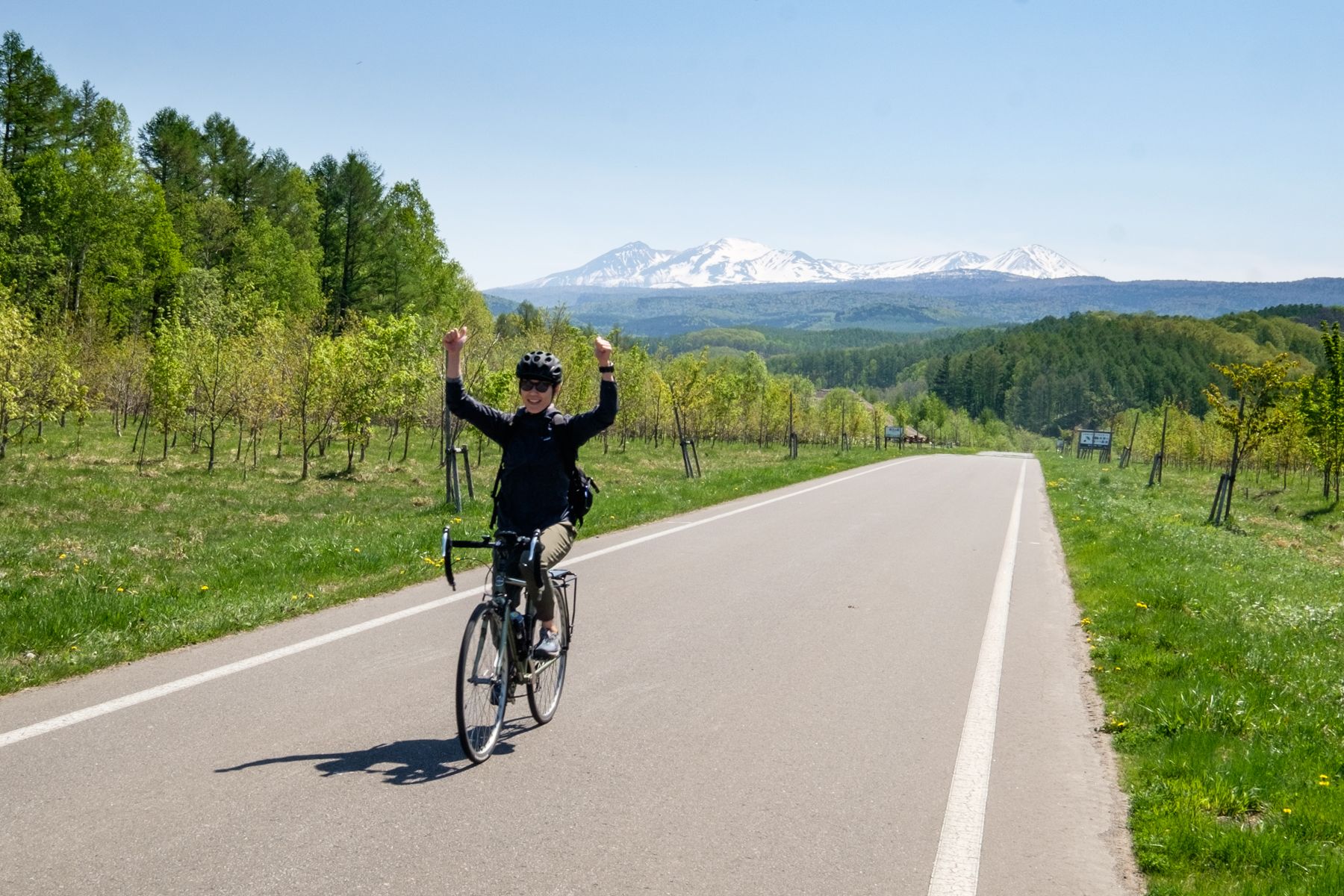
For me personally, my favourite spring activity is riding my bike through the rice fields and mountains. It's so uplifting to feel everything coming back to life again after winter and the snow capped mountains are a lovely sight. Conditions are also perfect for cycling - not too hot, not too cold!
Weather in Hokkaido in Spring – Temperature & Rainfall
| Temp | |||
|---|---|---|---|
| Min | Max | Rainfall | |
| April | 3°C | 12°C | 55mm |
| May | 9°C | 18°C | 56mm |
| June | 13°C | 22°C | 60mm |
| Temp | |||
|---|---|---|---|
| Min | Max | Rainfall | |
| April | -1°C | 10°C | 45mm |
| May | 6°C | 18°C | 70mm |
| June | 11°C | 22°C | 78mm |
| Temp | |||
|---|---|---|---|
| Min | Max | Rainfall | |
| April | 2°C | 7°C | 50mm |
| May | 6°C | 12°C | 68mm |
| June | 10°C | 16°C | 66mm |
| Temp | |||
|---|---|---|---|
| Min | Max | Rainfall | |
| April | 0°C | 8°C | 98mm |
| May | 5°C | 15°C | 105mm |
| June | 9°C | 18°C | 84mm |
| Temp | |||
|---|---|---|---|
| Min | Max | Rainfall | |
| April | 3°C | 12°C | 72mm |
| May | 8°C | 17°C | 89mm |
| June | 13°C | 20°C | 80mm |
What to do in Hokkaido in April?
The start of April will still be chilly - towards the latter half of the month is when Hokkaido really starts waking up from its winter hibernation. At this time hiking, cycling and other outdoor activities are still difficult due to the chill and lingering snow in the mountains, but now is the perfect time for something Hokkaido has in abundance – onsen! The Asahidake area has an abundance of natural hot springs, and for those wanting the Hokkaido winter-experience without blizzards, Mt. Asahidake will undoubtedly still have lingering snow. For those wanting to see cherry blossoms, you can expect them in the southern part of the region by late April. The southern town of Matsumae near Hakodate is famous for its cherry-blossoms and Japanese history and Sapporo's central parks will also be awash in pink blossoms at this time.
What to do in Hokkaido in May?
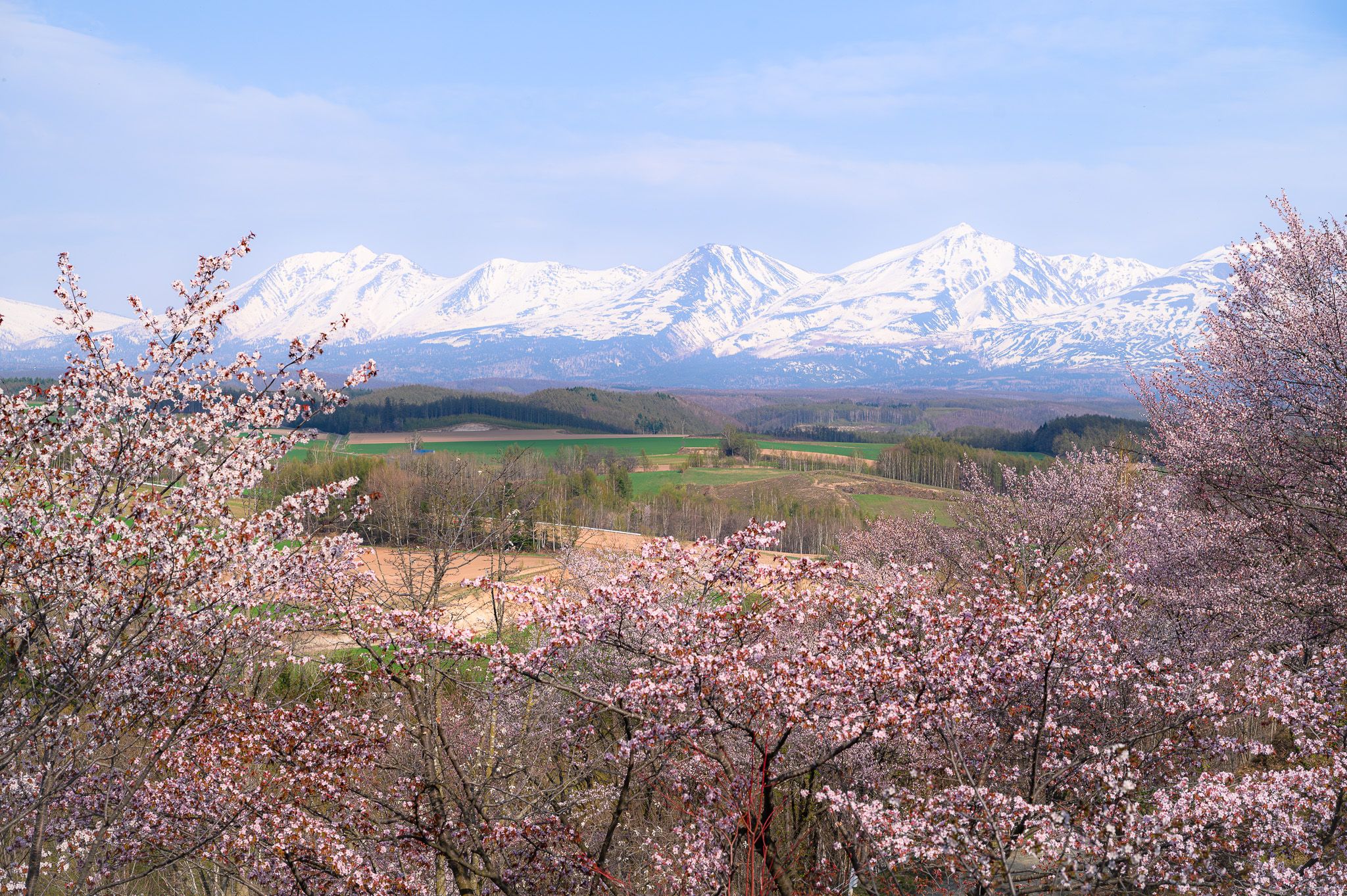
May is when various flowers start blooming. It generally kicks off with the blooming of the cherry-blossoms in colder regions like Daisetsuzan National Park, north or east Hokkaido, usually in the first week of May. but cherry blossoms are visible all over the island at this time! You can also visit the wild northern Okhotsk region to see stunning flowers- the Kamiyubetsu Tulip Park in Yubetsu and the pink moss phlox in Takinoue and Ozora are well worth the visit. Hiking trails on the southern part of the island - such as Shikotsu-Toya National Park - are usually fully accessible again by late May. For those who enjoy cycling, May is the time to get your bike out of the shed and head out on some spring rides in the warm sunshine.
What do do in Hokkaido in June?
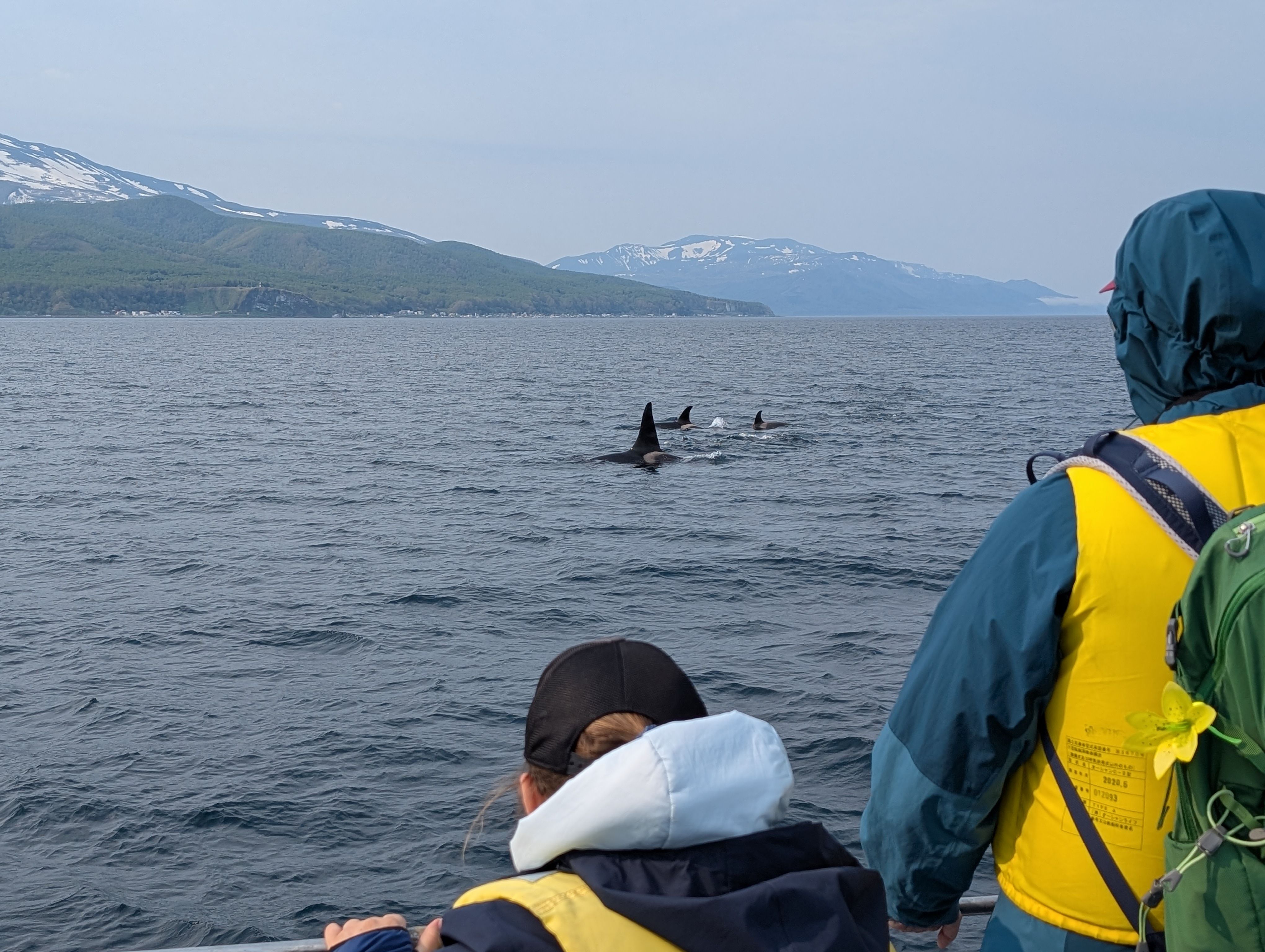
The entirety of June is usually a great time of year, and sunny warm weather welcomes the start of the outdoor season in full. June is the perfect time to go outside for stunning views backdropped with still-snowy peaks. Trails in the mountains, such as those in Daisetsuzan National Park or Akan-Mashu National Park, start to emerge from the snow and the hiking season kicks off, marked with ceremonies known as "Yamabiraki" - still, you can expect some snow patches to navigate! It is also considered one of the best times to visit Shiretoko, located on Hokkaido’s eastern peninsula. The Shiretoko area is a National Park and June is prime season for whale watching. You can see Sperm Whales and even Orcas. Shiretoko has a lot of trekking spots and hikes around the area too, and is well worth the visit.
Best Hokkaido Spring Activities
- Snowshoeing! Enjoy the lingering snow in early spring (April) while you still can.
- You can still go spring skiing in some locations. Kurodake is typically open even until May.
- Take some time to visit the islands of Rishiri and Rebun. There are ample opportunities for trekking and seeing rare alpine plants.
- Don’t miss out on the Sapporo Yosakoi Festival that takes place in June, an outdoor dancing festival that takes place over multiple days.
National Holidays
- Golden Week - This is a stretch of national holidays including April 29th (Showa Day), May 3rd (Constitution Memorial Day), May 4th (Earth Day) and May 5th (Children’s Day). As these holidays take place in quick succession, they usually span a multi-day weekend and are therefore one of the peak domestic travel seasons in Japan. Transport and attractions can become crowded and hotel rates expensive, so keep this in mind when planning your trip!
Visiting Hokkaido in Summer (July-August) #
Hokkaido probably has the best summer in Japan- never too hot, never too humid, no rainy season and an abundance of outdoor activities to do and beautiful sights to see! For those looking for outdoor adventures, the summer may be the best time to visit Hokkaido. Long sunny days and cool nights give ample time to enjoy every day. July is famous for the blooming of myriads of flowers, and August is the best time to get out and enjoy all of Hokkaido’s lush scenery and the outdoors. If you are planning on exploring low elevations, most days all you will need is a t-shirt and sunscreen, though keeping a light jacket for cool nights is a good idea! However, if you're thinking about hiking, mountainous areas will still require you to prepare warm layers in midsummer, especially on poor weather days.
Weather in Hokkaido in Summer – Temperature & Rainfall
| Temp | |||
|---|---|---|---|
| Min | Max | Rainfall | |
| July | 18°C | 25°C | 91mm |
| August | 19°C | 26°C | 127mm |
| Temp | |||
|---|---|---|---|
| Min | Max | Rainfall | |
| July | 16°C | 26°C | 139mm |
| August | 16°C | 26°C | 158mm |
| Temp | |||
|---|---|---|---|
| Min | Max | Rainfall | |
| July | 15°C | 20°C | 101mm |
| August | 17°C | 22°C | 123mm |
| Temp | |||
|---|---|---|---|
| Min | Max | Rainfall | |
| July | 13°C | 22°C | 101mm |
| August | 15°C | 23°C | 133mm |
| Temp | |||
|---|---|---|---|
| Min | Max | Rainfall | |
| July | 17°C | 24°C | 124mm |
| August | 19°C | 26°C | 157mm |
What to do in Hokkaido in July?
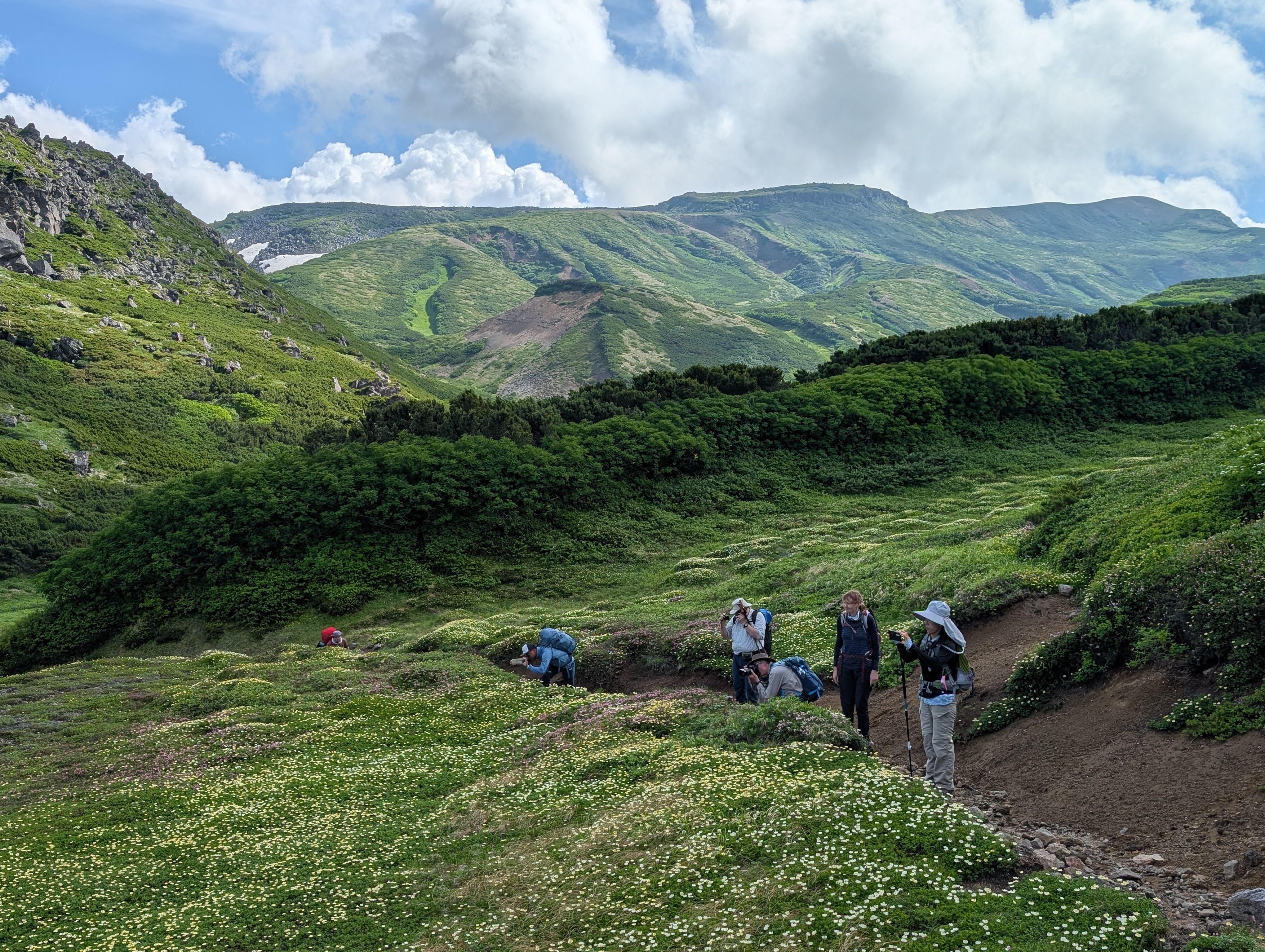
Hokkaido in July is famous for its flowers, especially in Furano and Biei. Many visitors to the area during the summer months want to see the lavender farms. Our favourite flowers, however, are the Aleutian Avens that bloom at altitude in Daisetsuzan National Park during mid-July. As guide Yasu says, "Summer is my favourite time to enjoy alpine hiking in Daisetsuzan National Park. When you’re amongst the alpine flower fields on “the roof of Hokkaido,” all of your worries feel so far away!" You of course should swing by Biei’s famous blue pond, too. If you visit the blue pond, however, don’t stop there – make sure to also go to Shirahige Waterfall, where you can see stunning blue-tinted falls.
What to do in Hokkaido in August?
August is peak outdoor time, and with the hot days it’s the perfect time to enjoy some of Hokkaido’s water recreation! Try rafting, canoeing and kayaking or stand-up paddleboarding. If you’re not keen to get wet however, this is also the perfect time to take to the mountains. With most snowpack gone and the mountains boasting cooler temperatures than sea level, August is prime time to go hiking in one of Hokkaido’s numerous mountain ranges.
Best Hokkaido Summer Activities
- Get out and do some hiking! With relatively mild weather, perhaps now is your chance to explore some of Hokkaido’s more remote areas like Rebun and Rishiri islands.
- It's not just hiking that you can enjoy in the summer - with good weather and amazing ice cream to enjoy, cycling is another great activity to enjoy.
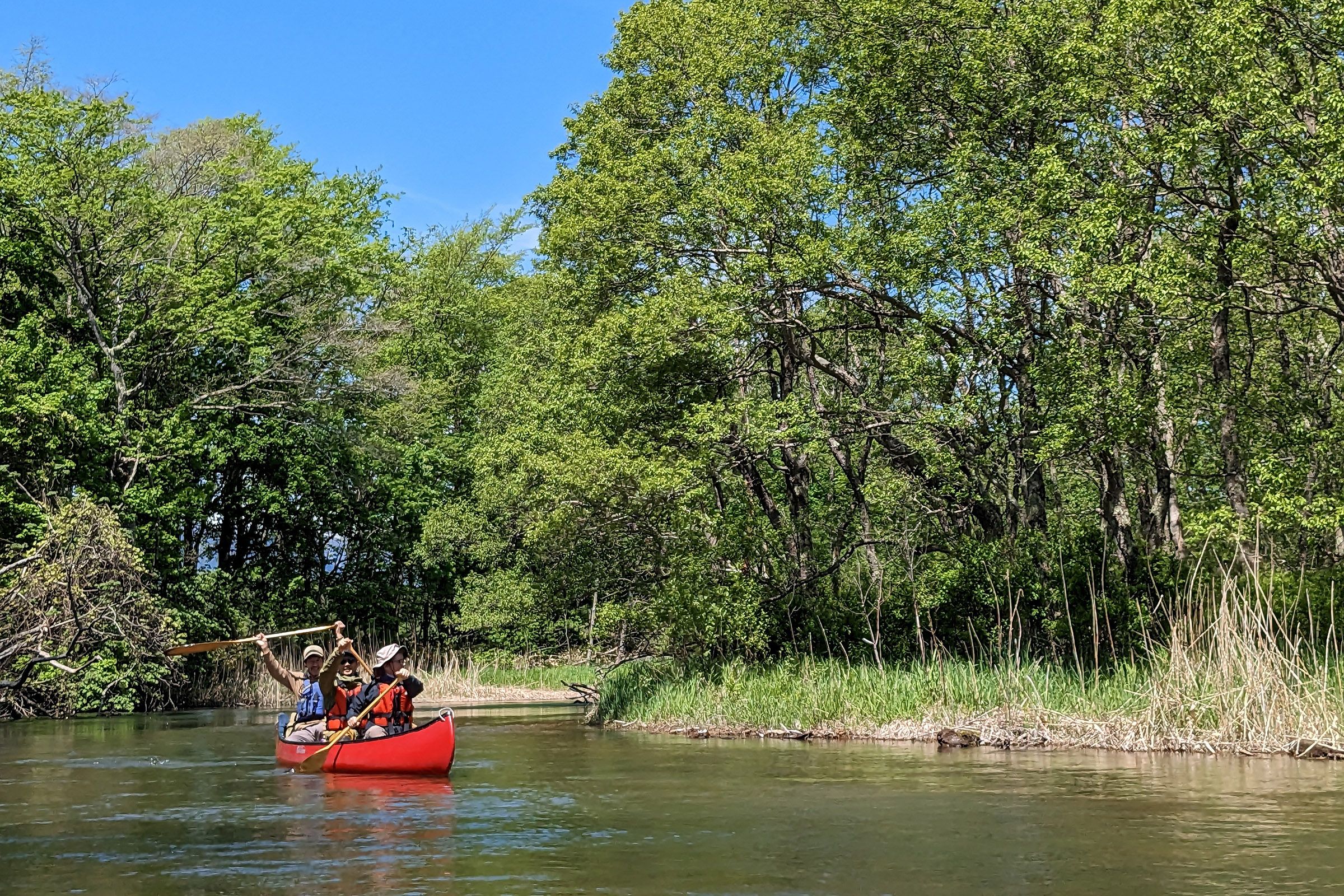
- Canoeing in Hokkaido’s summer is fantastic. Rivers and wetlands in eastern Hokkaido, such as in Kushiro Shitsugen National Park, provide gentle currents perfect for canoeing and the chance to see water birds and river-dwelling wildlife up close.
- Try fly fishing if you are a keen angler! You can catch rainbow trout, arctic char and cherry trout during Hokkaido’s summer.
National Holidays
- 3rd Monday of July - Marine Day. Travel to coastal areas is very popular over this long weekend.
- August 11th - Mountain Day. This holiday is very popular with hikers, so expect large numbers of visitors to mountains on this date.
- Obon Holiday - While not an officially observed holiday, this event in the traditional Japanese calendar is when Japanese revisit their hometowns to pay respects to their deceased family members and ancestors. Starting dates vary across Japan, but it usually falls in mid-August, not long after Mountain Day. Many companies will provide holidays during this period, so this, along with Golden Week and the New Year, is one of the peak domestic travel seasons. Hokkaido is a particularly popular destination at this time as many mainland Japanese travel north to escape the oppressive humidity. Once again, transportation and attractions will be crowded and hotel rates expensive so you may wish to plan around this period when visiting Hokkaido.
Visiting Hokkaido in Autumn (September-November) #
Hokkaido really shines in the autumn! Due to the rapid fall-off in temperatures from the summer months, the fall foliage bursts onto the scene with a wow-factor that will impress anyone. September still has ample time left to enjoy the outdoors, so fit in those hikes and cycling as much you can. During October, trails high in the mountains will become snowed under, marking an end to green season hiking - but the same month has, by far, the greatest of the fall foliage at low elevations, so be sure to bring a camera as you travel around. November is when Hokkaido begins its transition into winter, so it’s the perfect time to see the changing of the landscape. Autumn also marks the season where wildlife becomes most active as Hokkaido's mammals and birds prepare for the long winter ahead. As autumn progresses, temperatures will range from teens to single digits (°C), so bring a warmer jacket and leave your sandals at home.
Weather in Hokkaido in Autumn – Temperature & Rainfall
| Temp | |||
|---|---|---|---|
| Min | Max | Rainfall | |
| September | 15°C | 23°C | 142mm |
| October | 8°C | 16°C | 110mm |
| November | 2°C | 9°C | 114mm |
| Temp | |||
|---|---|---|---|
| Min | Max | Rainfall | |
| September | 11°C | 22°C | 132mm |
| October | 4°C | 14°C | 96mm |
| November | -2°C | 6°C | 90mm |
| Temp | |||
|---|---|---|---|
| Min | Max | Rainfall | |
| September | 14°C | 20°C | 137mm |
| October | 8°C | 14°C | 130mm |
| November | 1°C | 6°C | 121mm |
| Temp | |||
|---|---|---|---|
| Min | Max | Rainfall | |
| September | 11°C | 20°C | 144mm |
| October | 6°C | 14°C | 130mm |
| November | 0°C | 7°C | 106mm |
| Temp | |||
|---|---|---|---|
| Min | Max | Rainfall | |
| September | 15°C | 23°C | 151mm |
| October | 8°C | 17°C | 106mm |
| November | 2°C | 10°C | 111mm |
What to do in Hokkaido in September?
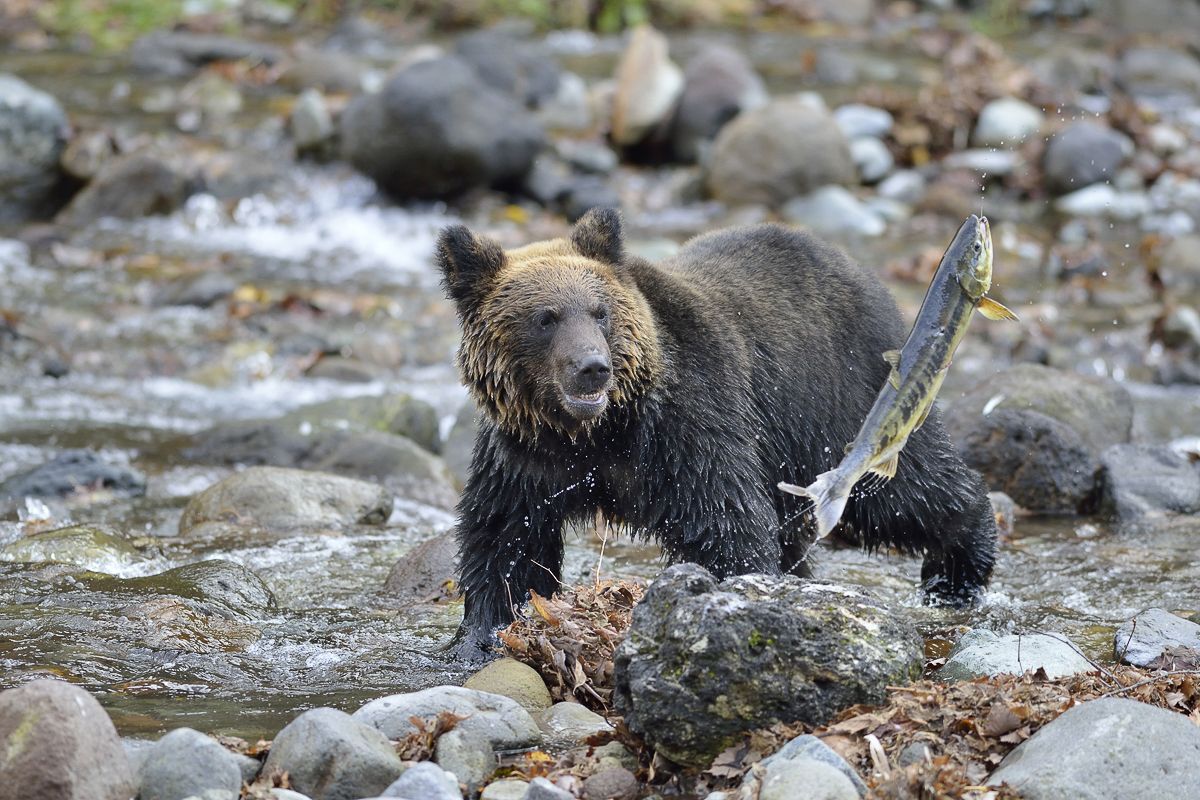
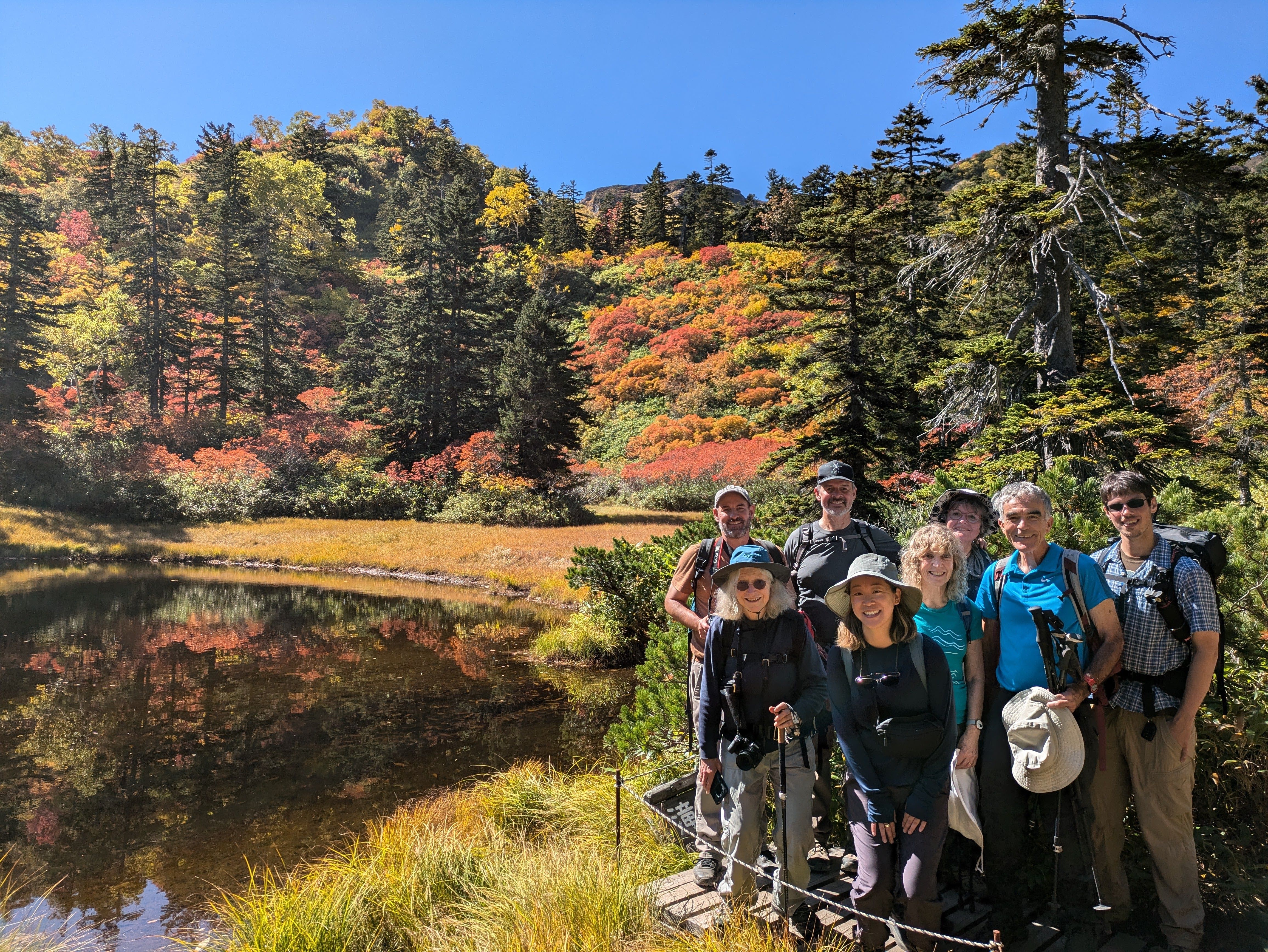
With the arrival of September, Hokkaido begins to cool off. The snow, however, is still a while away yet, so there is still ample opportunity to enjoy warm weather before winter comes. Hiking routes remain snow-free and autumn colours come to Daisetsuzan National Park by late September - the earliest colours across all Japan. Due to the cool-off from summer, cycling tours are popular at this time of year and cyclists can often be seen as they travel around Hokkaido. With an abundance of campsites and road-side stations (michi-no-eki) that offer places to rest and stay, it is easy to travel Hokkaido by bike. Late September also marks the start of the salmon run, when salmon make their way out of the ocean and back upstream to lay their eggs. This important event in Hokkaido's ecological calendar brings Brown Bears to the shores of the Shiretoko Peninsula in large number, eating as many kilos of the fish as they can to fatten up before hibernation. This makes the end of September a fantastic time to observe Brown Bears from nature cruises.
What to do in Hokkaido in October?
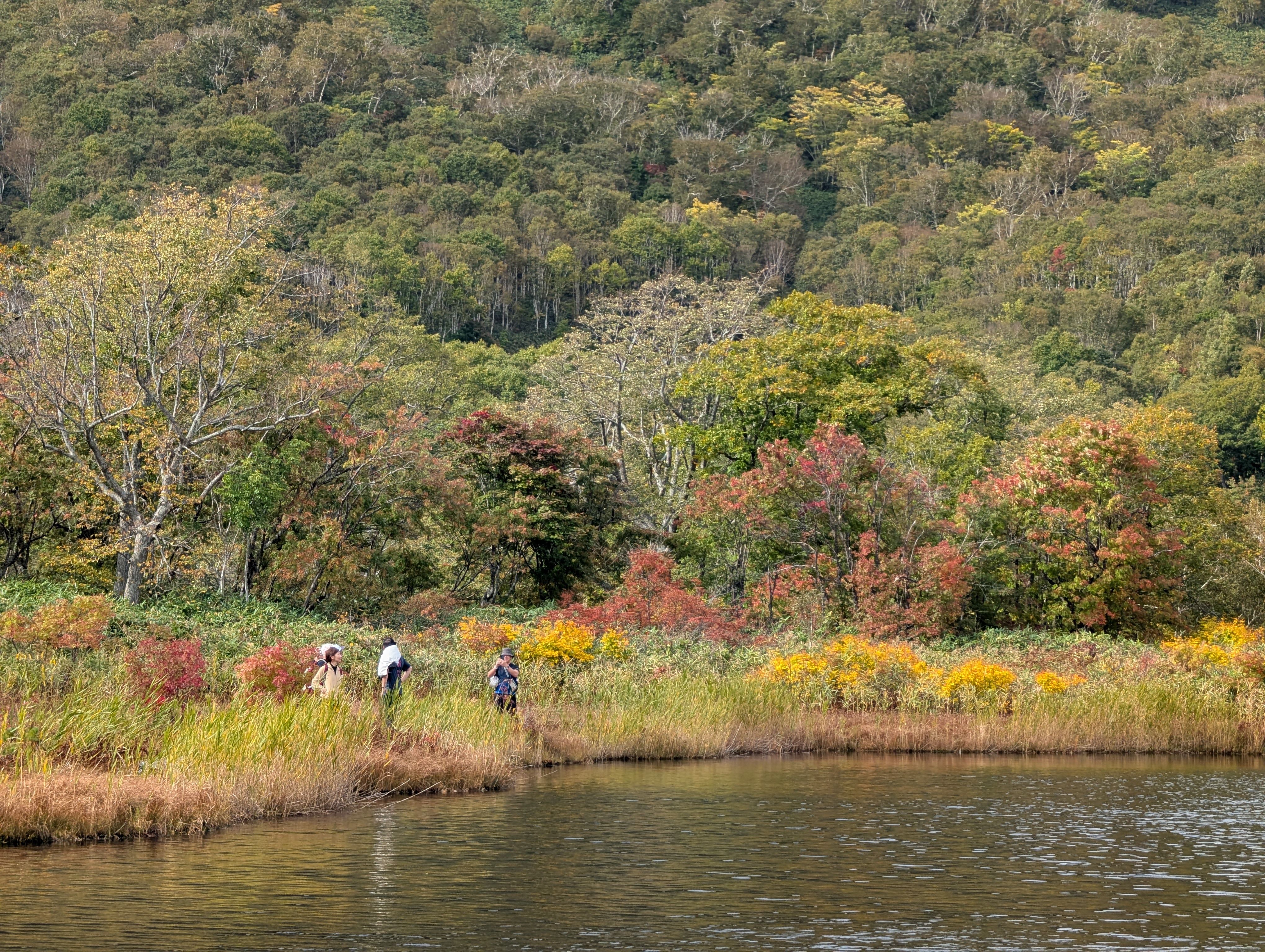
As guide Yuka puts it, "On the high peaks of the Daisetsuzan, winter can often come before autumn. In autumn, I prefer hiking direct routes or at lower elevations so I can see the best of the colours without risking inadvertently going for a winter hike!" And she is right! At lower elevations, the autumn colours are at their peak and now is the best time to take a walk outside and enjoy the changing scenery. Although there are many places to see stunning colours and views, I have to recommend Jozankei. Jozankei, located south of Sapporo, is set in a valley and offers an assortment of incredible views as well as shorts walks and hikes that will leave anyone looking for the autumnal Hokkaido experience satisfied. And once you’re finished enjoying the sights and outdoor scenery, be sure to drop by their famous hot springs for a reinvigorating soak after your adventures.
What to do in Hokkaido in November?
November is generally considered off-season for Hokkaido as everyone says goodbye to autumn and shifts into preparing for winter. November tends to see a few snowfalls but nothing that settles quite yet, except for in the mountains. The last of the autumn colours comes from the colourful larch trees in the first half of the month, dazzling the landscape with their golden hue before the muted palette of winter arrives. Due to clear skies, few crowds, and not-yet freezing temperatures, November is a great chance to see the crystal clear Hokkaido starry skies. Remember to wear something warm and bring an extra blanket- here is your chance to enjoy some star viewing while drinking your favourite hot beverage!
Best Hokkaido Autumn Activities
- With cooler temperatures but still long days, September is the perfect time to do some hiking in the Daisetsuzan Mountain Range.
- As well as Jozankei, be sure to check out the fall foliage in Sounkyo Onsen! You can ride the Kurodake Ropeway up Mt. Kurodake to appreciate the changing colours all the way from the base of the mountain.
- In addition to bears, smaller mammals - like squirrels and chipmunks - are very busy during autumn. This is a great time for animal lovers to spot them!
National Holidays
- 3rd Monday of September - Respect for the Aged Day
- Autumn Equinox (around September 20th) - Sometimes, this holiday coincides with Respect for the Aged Day, creating a long weekend which is informally known as “Silver Week”. When this is the case, it can drive domestic travel. As both of these dates coincide with Daisetsuzan National Park’s autumn foliage, trails can become quite crowded over these long weekends.
- 2nd Monday of October - Sports Day
- November 3rd - Culture Day
- November 23rd - Labour Thanksgiving Day
Visiting Hokkaido in Winter (December-March) #
We have made it to winter and for skiers and powder hounds, this is the best time of year to visit Hokkaido! When we talk about Hokkaido, winter is the image most people have – a chilly snowscape, meters of snow, and animal tracks crossing the fresh powder. December brings the start of winter and the beginning of ski and snowboard season high in the mountains. January is when the snow really kicks in, and the perfect time to see Hokkaido’s wilderness blanketed in white. Some of the coldest temperatures come in February, but it is also the perfect time to try some activities and see natural phenomena only possible in the dead of Hokkaido winter, such as diamond dust or sun halos. Finally, March brings with it slowly increasing temperatures but also a chance to experience some truly unique outdoor Hokkaido festivals. In addition, migrating bird life makes the entirety of Hokkaido's winter the perfect season for bird watchers and wildlife photographers. Bundle up, bring your down jackets, and don’t forget your hat and gloves!
Weather in Hokkaido in Winter – Temperature & Precipitation
| Temp | |||
|---|---|---|---|
| Min | Max | Rainfall | |
| December | -4°C | 2°C | 115mm |
| January | -6°C | 0°C | 108mm |
| February | -6°C | 0°C | 92mm |
| March | -2°C | 5°C | 78mm |
| Temp | |||
|---|---|---|---|
| Min | Max | Rainfall | |
| December | -9°C | -1°C | 66mm |
| January | -13°C | -4°C | 38mm |
| February | -13°C | -3°C | 33mm |
| March | -8°C | 2°C | 39mm |
| Temp | |||
|---|---|---|---|
| Min | Max | Rainfall | |
| December | -4°C | 0°C | 113mm |
| January | -6°C | -2°C | 85mm |
| February | -7°C | -2°C | 61mm |
| March | -3°C | 2°C | 55mm |
| Temp | |||
|---|---|---|---|
| Min | Max | Rainfall | |
| December | -5°C | 1°C | 113mm |
| January | -9°C | -3°C | 77mm |
| February | -10°C | -3°C | 55mm |
| March | -6°C | 1°C | 72mm |
| Temp | |||
|---|---|---|---|
| Min | Max | Rainfall | |
| December | -4°C | 3°C | 95mm |
| January | -6°C | 1°C | 77mm |
| February | -6°C | 2°C | 65mm |
| March | -2°C | 6°C | 64mm |
What to do in Hokkaido in December?
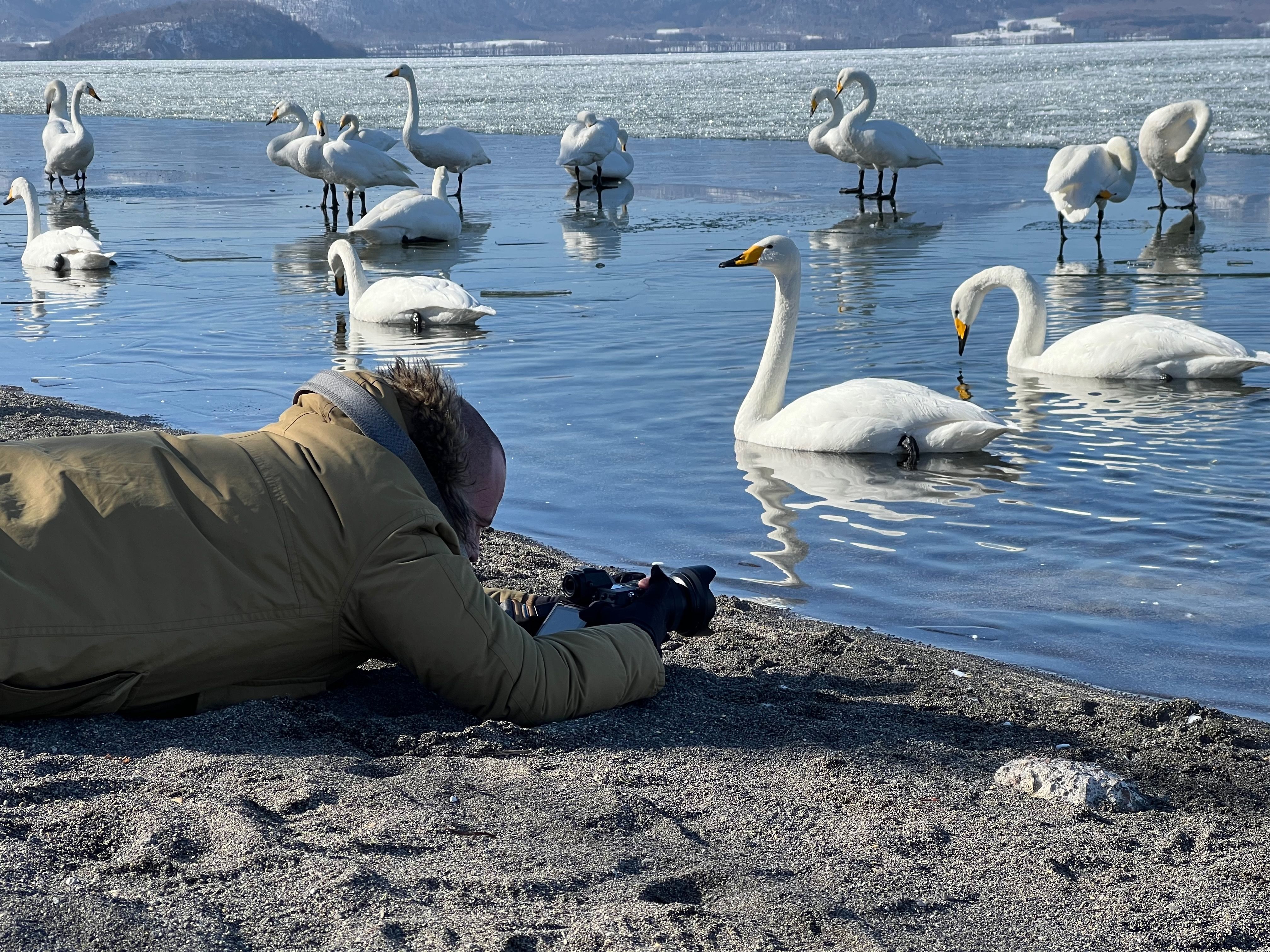
December is when the snow finally begins to accumulate. You can expect a mix of near-freezing and negative temperature days, so be sure to dress warmly from here on out! Some ski hills will have opened as early as the end of November. Among the first to open is always Mt. Kurodake, located in the Daisetsuzan mountain range. Mt. Kurodake is accessed from the town of Sounkyo, which is nestled in a gorge and famous for its weather and views year-round. Due to the volcanic nature of the surrounding mountains, Sounkyo also has some premier hot springs accessed via the local inns, which draws both locals and visitors. It’s the perfect place to get in your turns, then relax and warm up! Migratory winter bird life also starts to arrive and settle in Hokkaido in December. Among them are Whooper Swans, which you can see gathered and warming their feet in the hot springs under the sandy shores of Lake Kussharo.
What to do in Hokkaido in January
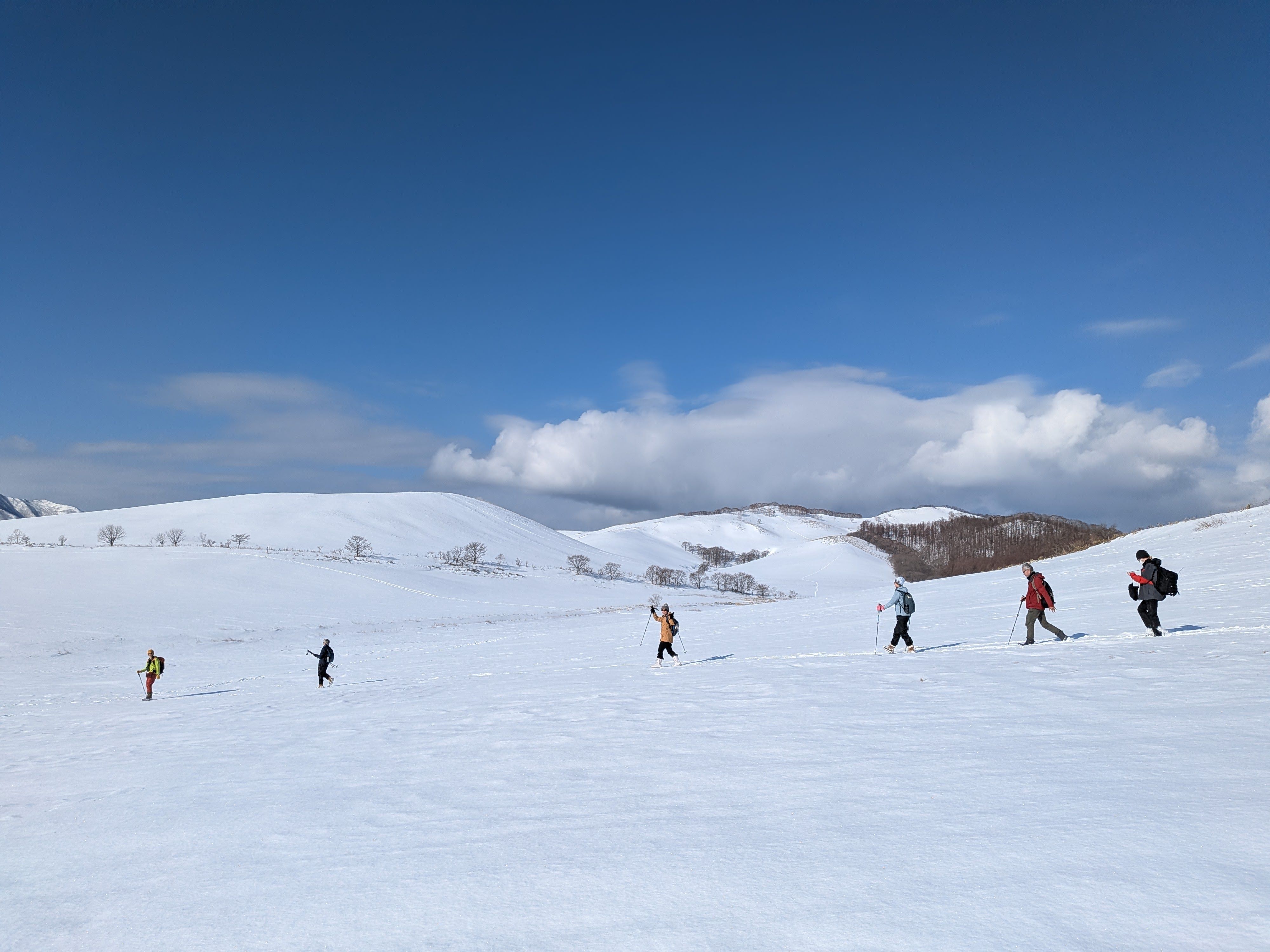
If you’re looking for that world-famous Hokkaido powder, January is your month. With consistent cold temperatures and lots of snow falling, this is the prime time to hit up any of Hokkaido’s famous ski hills or resorts to get your fix. The well known ski areas and resorts are always a good time, but if you’re looking for a unique experience away from the crowds, I heartily recommend hiring a guide and trying backcountry skiing or snowboarding. Accompany a local experienced guide into the mountains to safely get at some of the waiting untouched powder. This is the perfect chance to see Hokkaido through a local’s eyes and visit a piece of the island that the average traveler cannot access. The fresh powder at lower elevation also marks the start of snowshoe season. So, even if you're not a skier or a snowboarder, you can still enjoy Hokkaido's powder snow! For wildlife lovers, wildlife cruises on the Shiretoko Peninsula start to set sail in late January, allowing visitors the chance to see migrating Steller’s Sea Eagles up close as they soar over the waves. Be sure to visit Tsurui, too, to see the Red-crowned Cranes, a Japanese cultural icon. They perform their famous “dances” - displays of delight and affection - during the chilly winter months.
What to do in Hokkaido in February?
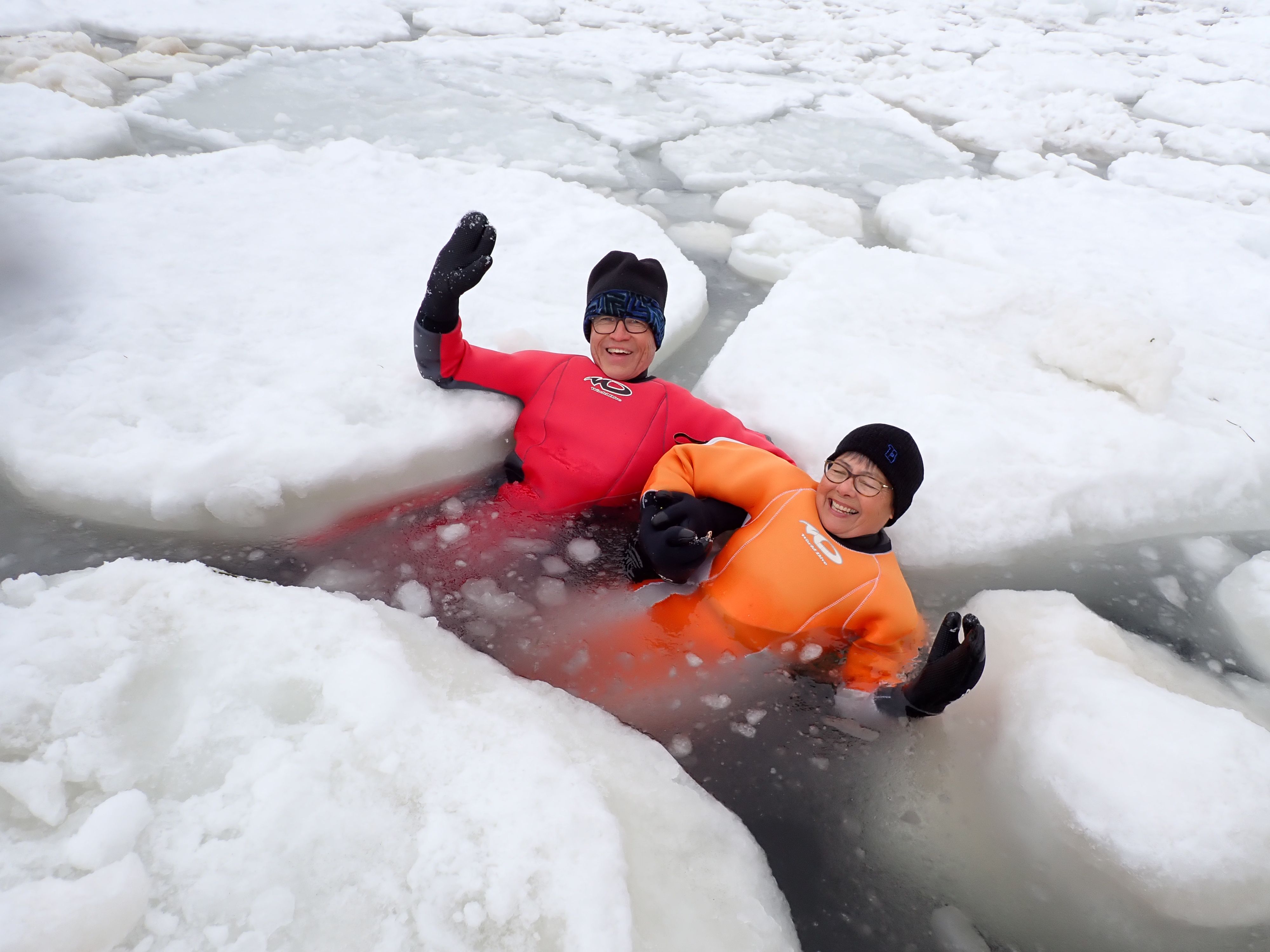
Although skiing and snowboarding is still going strong, due to the chilly temperatures and firm ice pack February is a chance for those more elusive winter experiences! Try ice fishing on the top of one of Hokkaido’s many frozen lakes or on the Notsuke Peninsula. February is also a fantastic time to see drift ice as it arrives off the coast of east Hokkaido from Abashiri all the way to Rausu - and you can even experience walking on it, if you dare! February in Hokkaido is so cold that even waterfalls freeze solid. You can see this phenomenon around Shiraoi, Sounkyo (where a festival commemorates the occasion) and at Shirahige Waterfall in Biei. Finally, February is the season for unique snow-and-ice-themed festivals. There is of course the famous Sapporo Snow Festival, but did you know that other cities across Hokkaido also have their own unique snow festivals too? Check out the festivals in cities like Asahikawa or Abashiri if you’d like to enjoy all the experiences of a snow festival without the crowds of Sapporo!
What to do in Hokkaido in March?
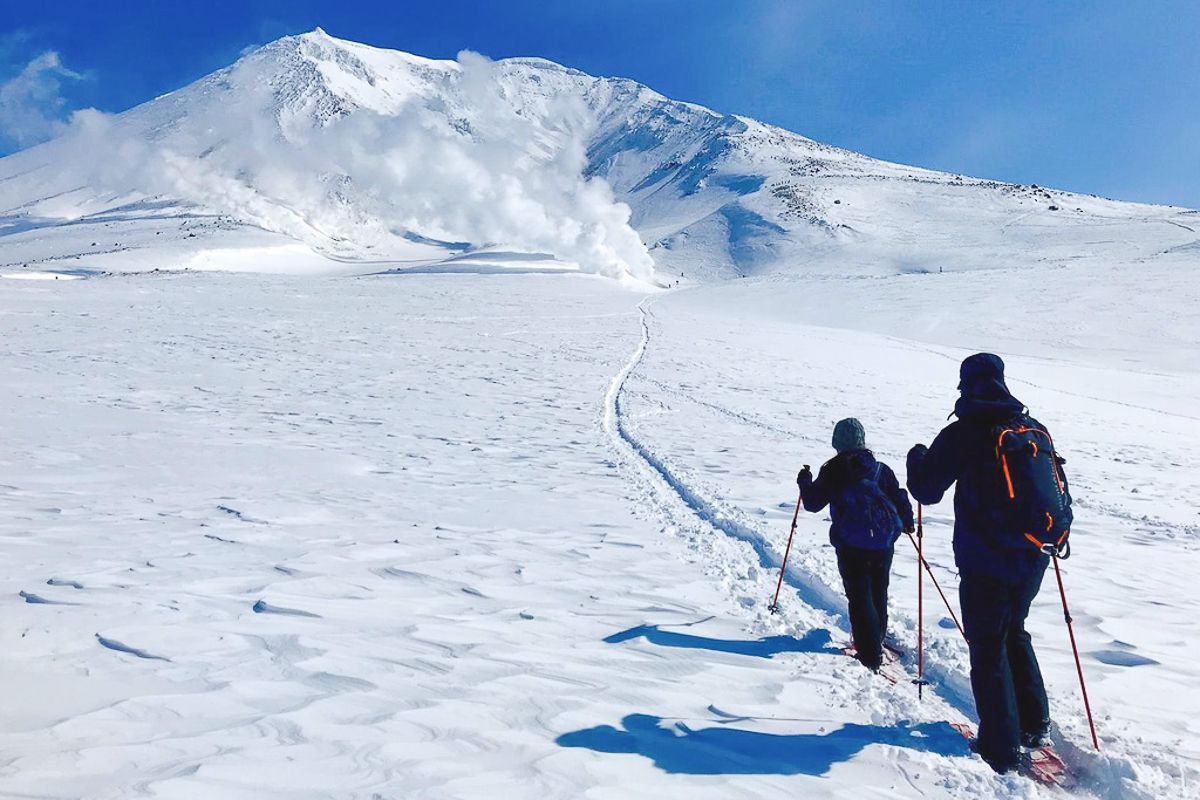
Like November, March is a quieter month which gives discerning travellers a chance to enjoy the less-extreme side of winter while still getting a chance to visit some of Hokkaido’s interesting outdoor festivals. Now that the crowds have died down, March is a great time to visit Shikaribetsu-ko’s Ice Village and jump in the local hot springs. If you’re looking for another unique experience, the Sounkyo Ice Fall Festival is still in full swing until early March. It has gigantic ice buildings and sculptures, with illuminations and fireworks in the evening. For those still craving deep and fluffy snow, snowfall remains compacted on Mt. Asahidake, Hokkaido's tallest peak, even in March. "Snowshoeing is a great way to experience the mountains in winter if you’re not an expert skier," says our guide Tobaji. "The peace and tranquility of the Hokkaido mountains in winter is something special." The snow on Mt. Asahidake allows for visitors to snowshoe out to the mountain's fumaroles and get closer than you would be able to do in the green season - and no special skiing techniques are required! While migratory bird life will move on during this month, the first leaves of spring are still a ways off, making this a great month to spot small birds and mammals darting about in the trees - like the much-beloved Long-tailed tit or the adorable Siberian Dwarf Flying Squirrel!
Best Hokkaido Winter Activities
- Ski the world famous powder snow of Niseko and Furano
- If you’re not keen on sliding down a mountain, try hiking up one on a snowshoe tour!
- Snow and ice festivals occur all around Hokkaido at the same time as the world-famous Sapporo Snow Festival in February
- Catch the drift ice as it arrives in the north around Monbetsu, Abashiri, and Shiretoko.
National Holidays
- New Year Holiday - This is Japan’s most important holiday - a bit like Christmas in the West. It is a time when people usually return to their family home to spend the season with their loved ones, so it is a peak domestic travel season. Official holiday dates are December 31st and January 1st, but in reality, businesses will likely cease operations from around December 28th - January 4th. After all, they would like some time off too! This does mean however that everything in Hokkaido - and we mean everything - is likely to be closed during this window. Shops, restaurants, attractions, facilities, museums… even convenience stores, if you can believe it! While it’s business as usual for hotels, rates are expensive and rooms are in high demand. Ski resorts in Hokkaido become incredibly crowded (and pricey) during this time as overseas visitors flood to the slopes on their own Christmas or New Year holidays. Plan very carefully if you are visiting at this time of year and we strongly recommend avoiding any kind of travel between December 30th ~ January 1st. While express trains and flights will be operating normally, they are often completely booked out far in advance and getting seats on the day is next to impossible. On the other hand, local train or bus services will be operating on a heavily reduced schedule or not at all over these dates.
- February 11th - National Foundation Day
- February 23rd - Emperor’s Birthday (though this holiday of course changes with each new Emperor!)
- Spring Equinox (around March 20th)
The best time to visit Hokkaido is now!
No matter which season you make it to Hokkaido, there is always a myriad of outdoor options that will leave anyone satisfied and wondering when you will find your next chance to come back. Whether you come for a leisurely trip in the spring, an adventure-filled outing in the summer, a serene journey in the autumn, or a snow-packed holiday in the winter, Hokkaido is always waiting to show you its best side.
We hope you found this guide on the best time to visit Hokkaido interesting and helpful for your trip. We’re Adventure Hokkaido, a group of passionate local outdoor guides who would love to share the great outdoors, history, culture and food of our home with international visitors. Adventure travel in Hokkaido is quite new, but your options are as diverse as the landscape here. Hiking trips, cycling tours, seeing wildlife up close and personal or travelling independently, you will be able to find a tour to suit you. Explore with a local guide and immerse yourself in this unique environment and culture.
Ready to find out more?
See our Hokkaido hiking, cycling & nature tours